April 23, 2026
Understanding the value and enhancing the functionality of outdoor spaces through hardscaping has become increasingly popular among homeowners. With the complexity of today’s hardscaping trends, numerous options, and careful considerations, making well-informed decisions is crucial. This article explores the common questions homeowners contemplate before undertaking hardscaping projects to make sure their investments align with personal goals and emerging trends. By addressing these fundamental queries, homeowners will get a clearer picture of the potential that hardscaping holds. Working with a local hardscaping service can also help homeowners better understand which features fit their property and lifestyle. It's essential to work through understanding materials, project management, and the eventual impact on property value. This guide will prepare you to embark on transforming your outdoor environment into an extension of your home.
1. What is Hardscaping and How Does It Differ from Landscaping?
Definition and Scope of Hardscaping
Hardscaping refers to the use of non-living elements in landscape architecture, such as stone, concrete, and wood, to design outdoor spaces. These elements create paths, patios, walls, and other structures that organize and define the garden or yard layout. Unlike landscaping, which often implies nurturing plants and organic components, hardscaping emphasizes the use of sturdy, durable materials that require less maintenance. As a subcategory of landscaping, hardscaping contributes to the overall structure and functionality of outdoor environments. A local hardscaping service can explain how these features support both beauty and function. Understanding the roles and limitations of hardscaping helps homeowners make informed decisions about their property enhancements.
Materials Used in Hardscaping Projects
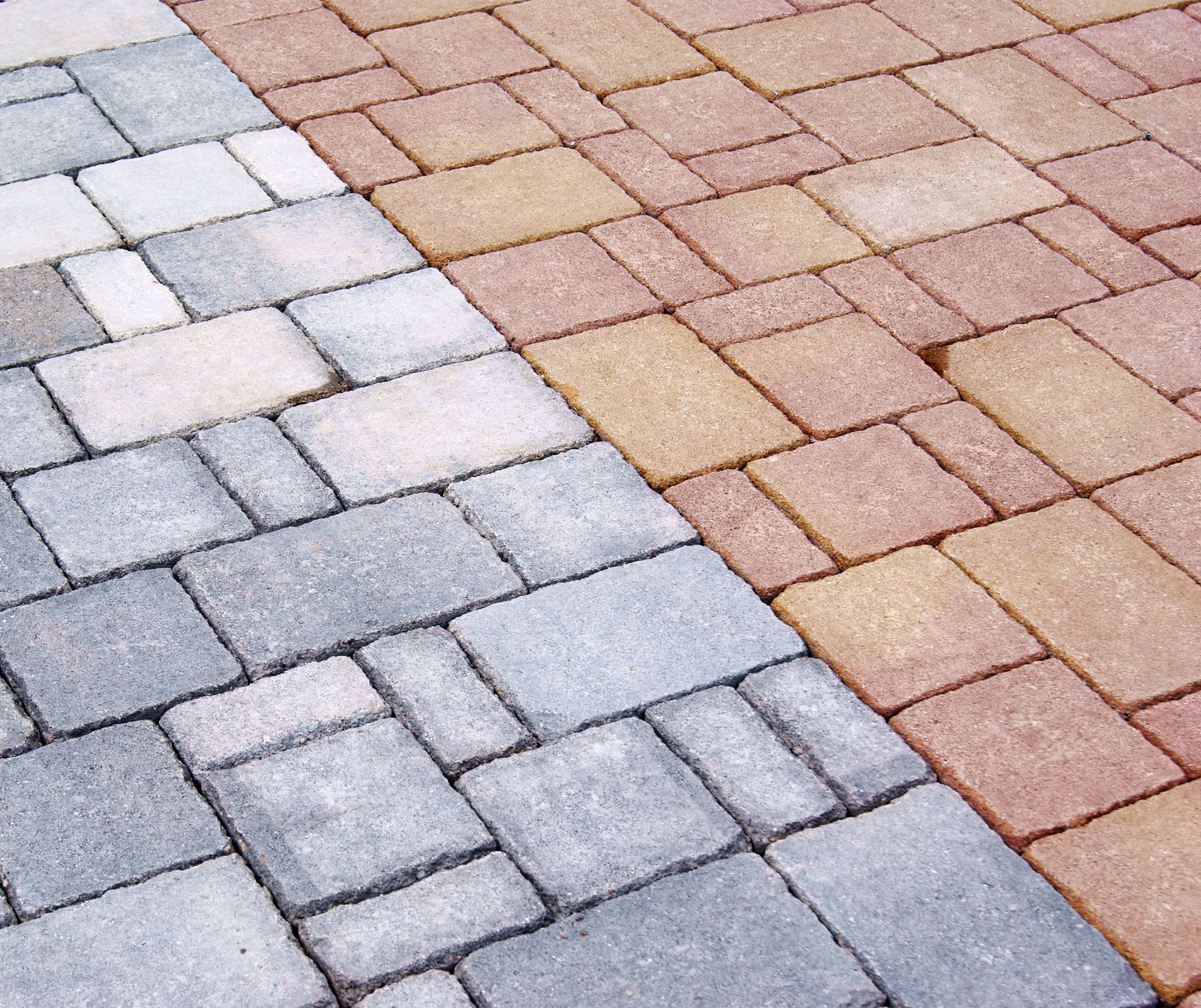
A variety of materials are commonly employed in hardscaping projects, including natural stone, brick, concrete pavers, and wood. Each material offers unique properties in terms of texture, color, and durability, allowing for a tailored design that fits personal preferences and functional needs. Natural stones are prized for their varied appearances and durability, while concrete pavers offer flexibility and ease of installation. The selection of materials should align with the homeowner’s design vision as well as practical considerations such as climate and maintenance requirements. A trusted local hardscaping service can also recommend materials that perform well in your region. Proper material choice is integral to the success and longevity of a hardscaping project.
Landscaping vs. Hardscaping: Key Differences
While both landscaping and hardscaping are key components of outdoor design, they serve distinctly different purposes. Landscaping focuses on the cultivation of living elements, like plants, trees, and grass, to create a beautiful, natural environment. In contrast, hardscaping involves the incorporation of inanimate structures to provide functional outdoor spaces. This divergence can be seen in how landscaping generally requires ongoing maintenance for plant health, while hardscaping demands less upkeep due to its resilient materials. Speaking with a local hardscaping service can help homeowners decide how to balance these two elements. Understanding these differences allows homeowners to blend the two effectively, creating balanced, harmonious outdoor spaces.
The Role of Hardscaping in Landscape Design
Hardscaping plays a crucial role in the overall design and functionality of a landscape by providing structure and defining space. It creates distinct areas for activities such as dining, relaxing, and entertaining, contributing to the practical use of the outdoor space. For instance, patios and walkways form the backbone of the landscape layout, directing foot traffic and connecting different garden areas. By integrating hardscaping elements, homeowners can optimize their outdoor environments, and a local hardscaping service can help map out the best layout for that goal. Moreover, these elements can enhance aesthetic appeal by complementing the natural landscape and adding contrasting textures.
Blending Hardscaping with Natural Elements
Skillfully blending hardscaping elements with natural landscaping allows for a cohesive and appealing outdoor design. This balance enhances the beauty and functionality of the space, enabling a more inviting and usable environment. Homeowners often use elements like pergolas or retaining walls to complement plantings and create depth and punctuation in garden designs. According to This Old House, the top three reasons for homeowners to update outdoor living spaces include improving aesthetics (51%), enhancing entertainment areas (37%), and expanding their home’s usable living space (33%). A local hardscaping service can help tie these features together so the finished design looks intentional and polished. When executed well, hardscaping can accentuate landscaping features, providing structure while enhancing natural beauty.
2. How Do I Determine My Hardscaping Goals?
Assessing Your Outdoor Space Needs
Determining hardscaping goals begins with assessing the current use and potential of your outdoor space. Consider the climate, existing landscape, and the various activities you wish to accommodate. Assess your needs for relaxation, entertainment, or gardening areas, and evaluate how hardscaping can enhance these activities. Consulting with a landscape architect or local hardscaping service can also provide insights into maximizing space efficiency and potential layouts. This initial assessment forms the foundation of a successful hardscaping project, aligning vision with practical needs.
Deciding on Functionality vs. Aesthetics
Hardscaping can prioritize either functionality or aesthetics, but ideally, it should balance both. Start by deciding how you want to use the space; functionality often involves creating accessibility and defining zones for leisure or gatherings. Aesthetics, on the other hand, focuses on visual appeal, integrating materials and designs that align with personal style preferences and home architecture. It's possible to achieve a harmonious blend by selecting features that provide structural benefits without sacrificing beauty. A local hardscaping service can help homeowners choose options that bring together appearance and everyday usability. Finding the right balance makes the space both visually striking and pragmatically useful.
Creating a Vision: Inspiration and Ideas
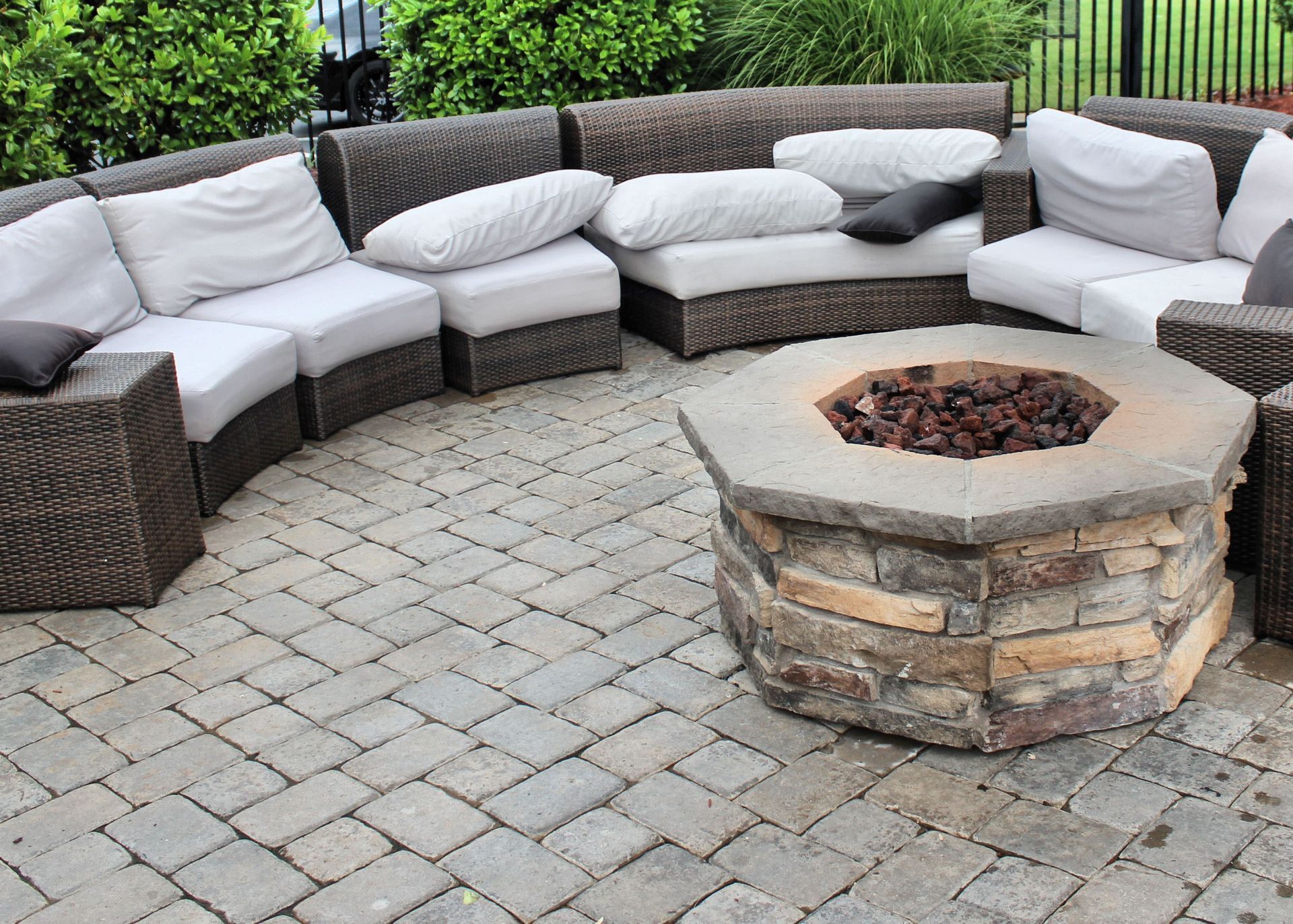
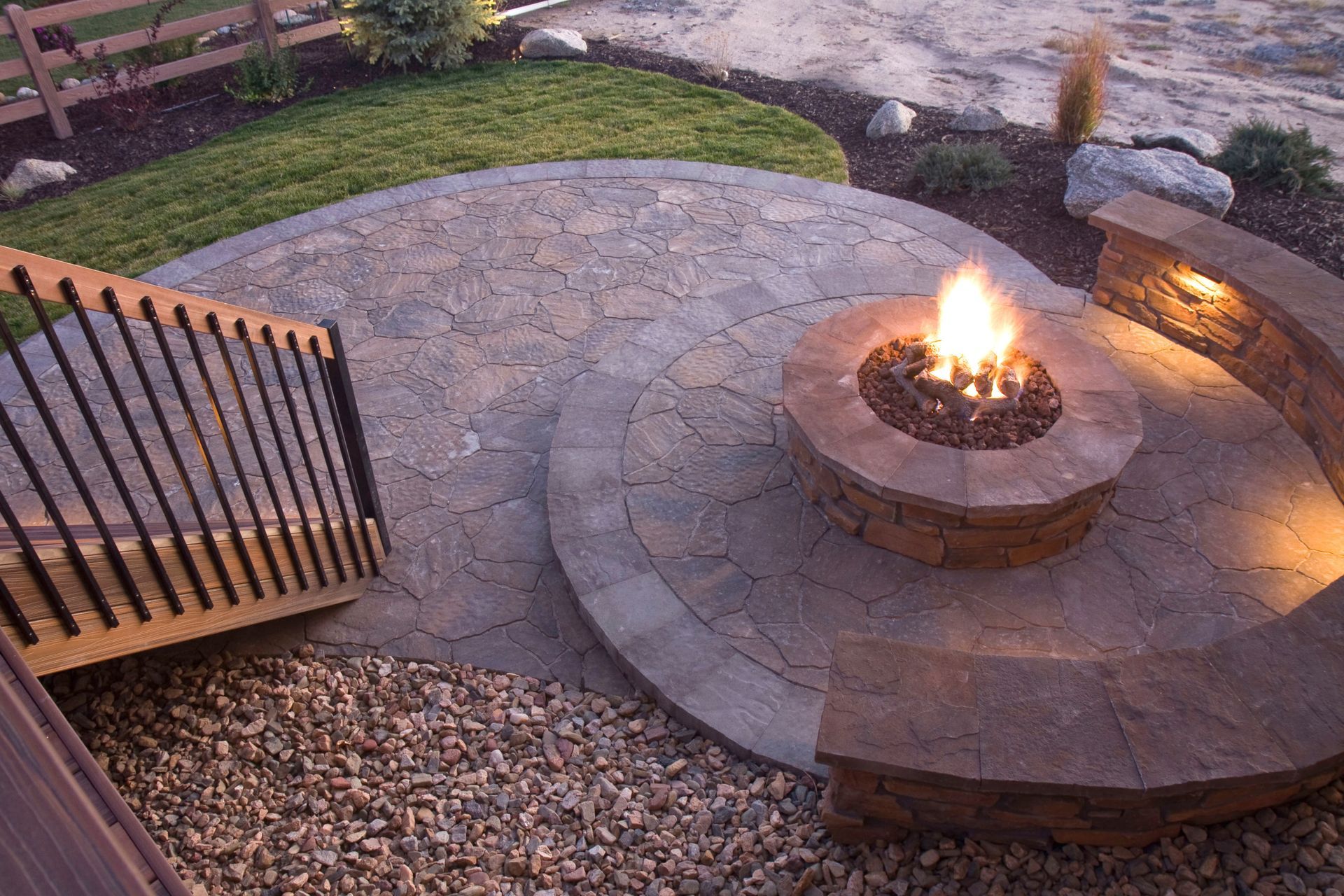
Inspiration for hardscaping can come from various sources, including landscape magazines, design websites, and garden tours. Observing different styles and applications helps envision how features like fire pits, water elements, and pathways can fit into your space. However, inspiration should be tempered with practicality; consider how ideas will work with your existing landscape and local climate. Making mood boards or sketching design concepts can aid in forming a cohesive vision. A local hardscaping service may also share examples of past projects to help shape your ideas. This creative phase is fundamental in translating abstract ideas into a well-defined plan, laying the groundwork for a project that fulfills your aspirations.
Budgeting Considerations for Hardscaping
Budgeting for a hardscaping project involves not just the cost of materials, but also labor and potential unexpected expenses. Start by setting a realistic budget that accounts for the overall project scope and individual elements like patios, paths, or retaining walls. Assess costs against your priorities for aesthetic qualities and durability, possibly compromising on less critical features to maintain financial balance. Understanding market rates for labor and gathering multiple quotes can prevent overspending and support better value for money. A local hardscaping service can often provide a detailed estimate that helps homeowners plan with more confidence. A well-thought-out budget ultimately keeps the project financially feasible while achieving desired outcomes.
Setting Realistic Expectations and Timelines
Setting realistic expectations and timelines is crucial for a satisfying hardscaping process. Timelines can vary significantly based on factors such as weather, project complexity, and contractor availability. Initial consultations with professionals can offer estimates that help manage expectations about project duration. It's also important to remain flexible and prepare for unforeseen delays, as construction projects can encounter unexpected obstacles. A local hardscaping service will typically explain the scheduling process and keep homeowners informed as work progresses. A proactive approach and open communication with contractors can help mitigate stress and align project completion with your goals.
Careful planning and a clear understanding of hardscaping's role and benefits can lead to transformative results for any property. By asking the right questions, comparing materials, setting goals, and working with a local hardscaping service, homeowners can make smart choices that improve both function and visual appeal. Whether the focus is on creating more usable outdoor space, increasing curb appeal, or adding long-term value, hardscaping offers a practical way to upgrade a home’s exterior with lasting impact. Contact JJ's Outdoor today to schedule your local hardscaping service.