February 24, 2026
Outdoor spaces have evolved from simple lawns and patios into functional extensions of the home. Homeowners increasingly view their yards as areas where they can relax, entertain, cook, gather, and personalize their environments. As lifestyles become more focused on comfort, balance, and connection with nature, designers and homeowners alike are exploring creative ways to use durable structures, innovative materials, and purposeful layouts. Hardscaping plays a central role in this shift, shaping outdoor areas so that they are visually appealing, structurally stable, and easy to maintain over time. Understanding the trends driving this movement helps explain why these permanent features have become such a vital part of modern outdoor design.
Blending Natural Elements With Structural Features
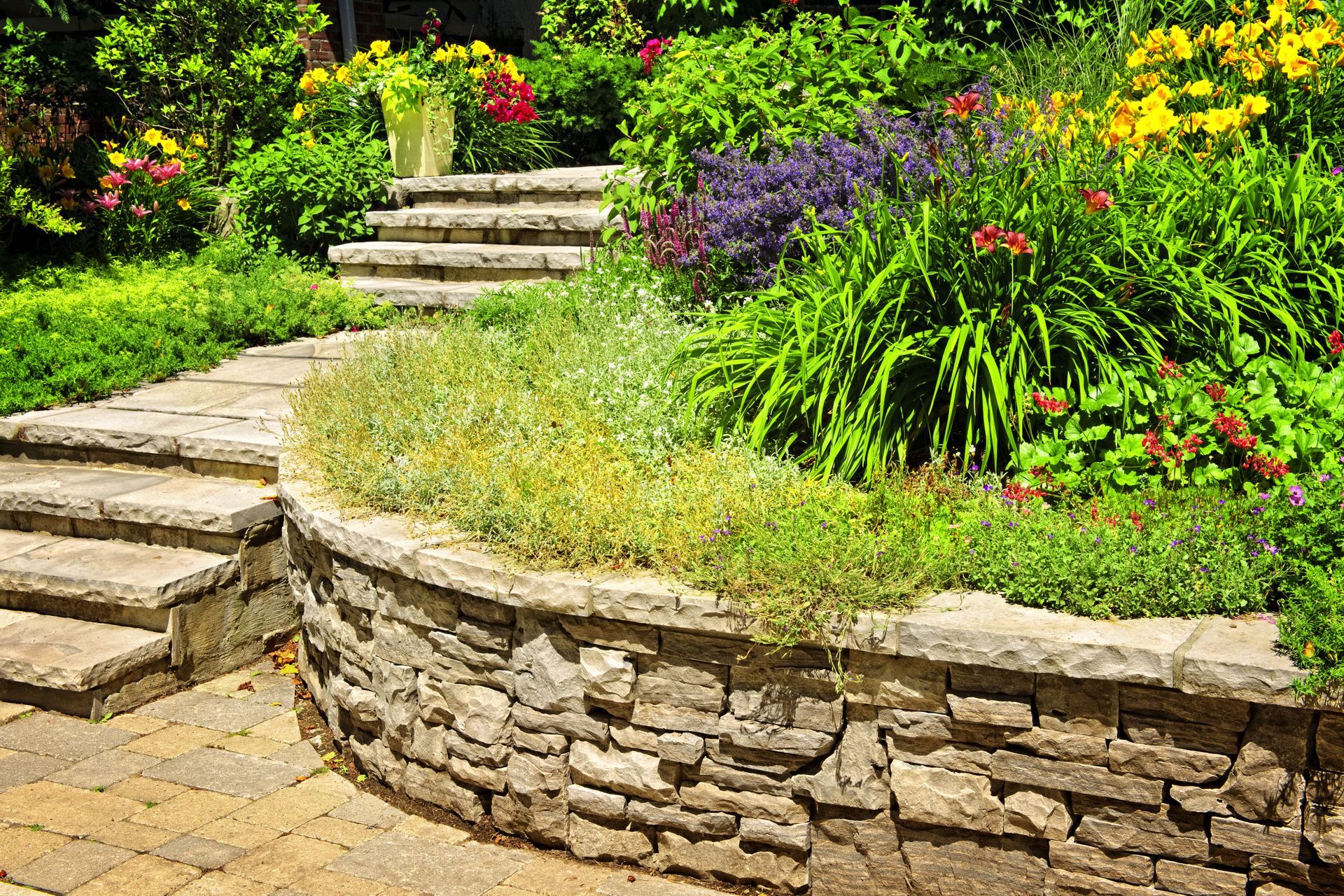
One of the strongest movements in contemporary outdoor planning involves merging built structures with natural surroundings. Instead of separating concrete or paver areas from gardens, designers are intentionally integrating greenery with stonework, walkways, and retaining walls. This approach allows hardscaping to feel organic while still providing strength and structure. For instance, pavers with creeping ground cover growing between joints soften the appearance of a paved space and reduce heat retention. Natural stone borders around flower beds also maintain clean lines without appearing harsh or artificial.
Another component of this trend includes using textures that mimic nature. Homeowners may choose materials that resemble weathered wood, river rock, or layered slate, even if the product is engineered for durability. These subtle connections to nature promote harmony between the built and natural elements, creating spaces that feel inviting rather than overly constructed. The thoughtful use of natural tones, soft curves, and layered planting beds enables hardscaping to enhance rather than overwhelm the surrounding landscape.
Creating Multi-Functional Outdoor Living Zones
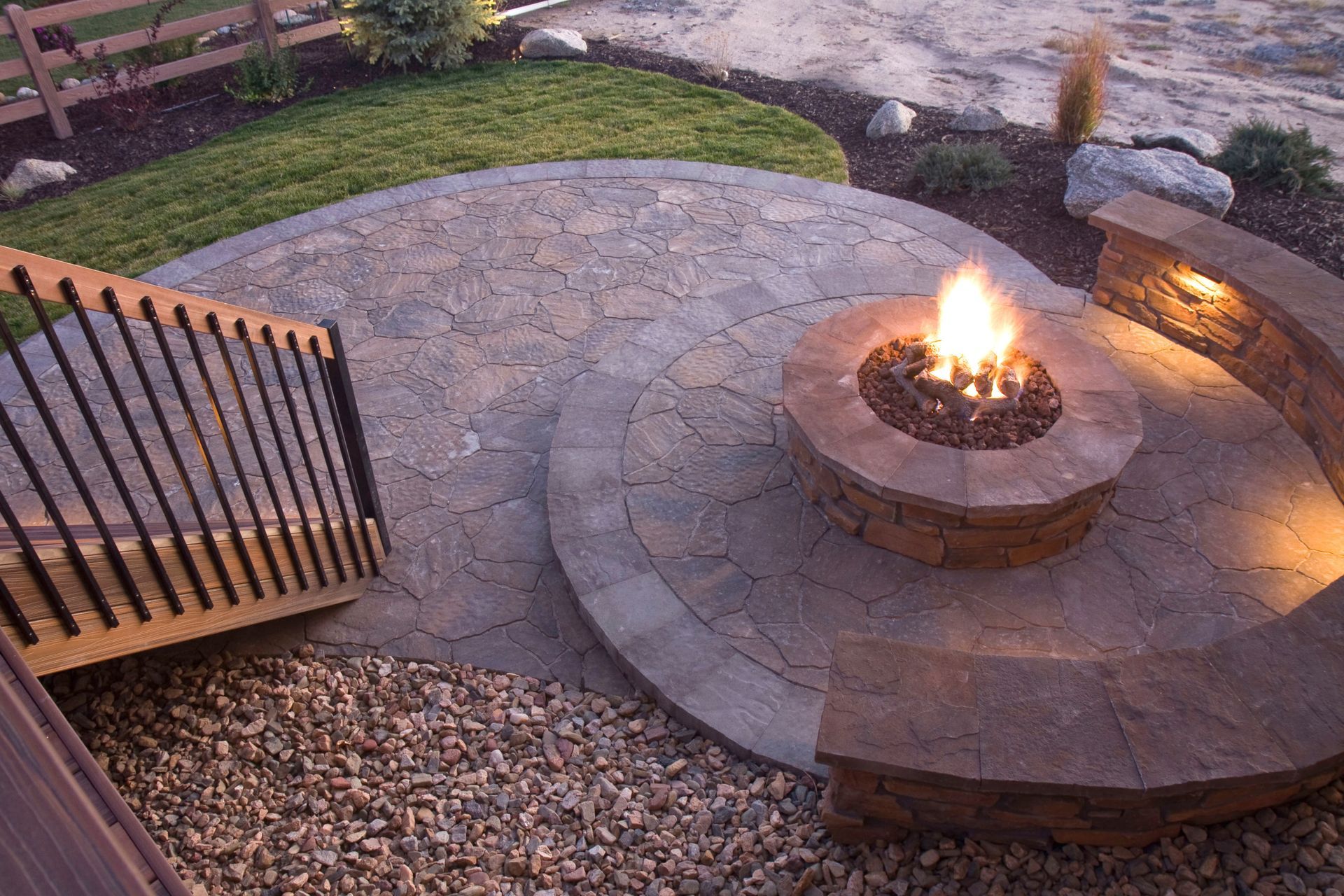
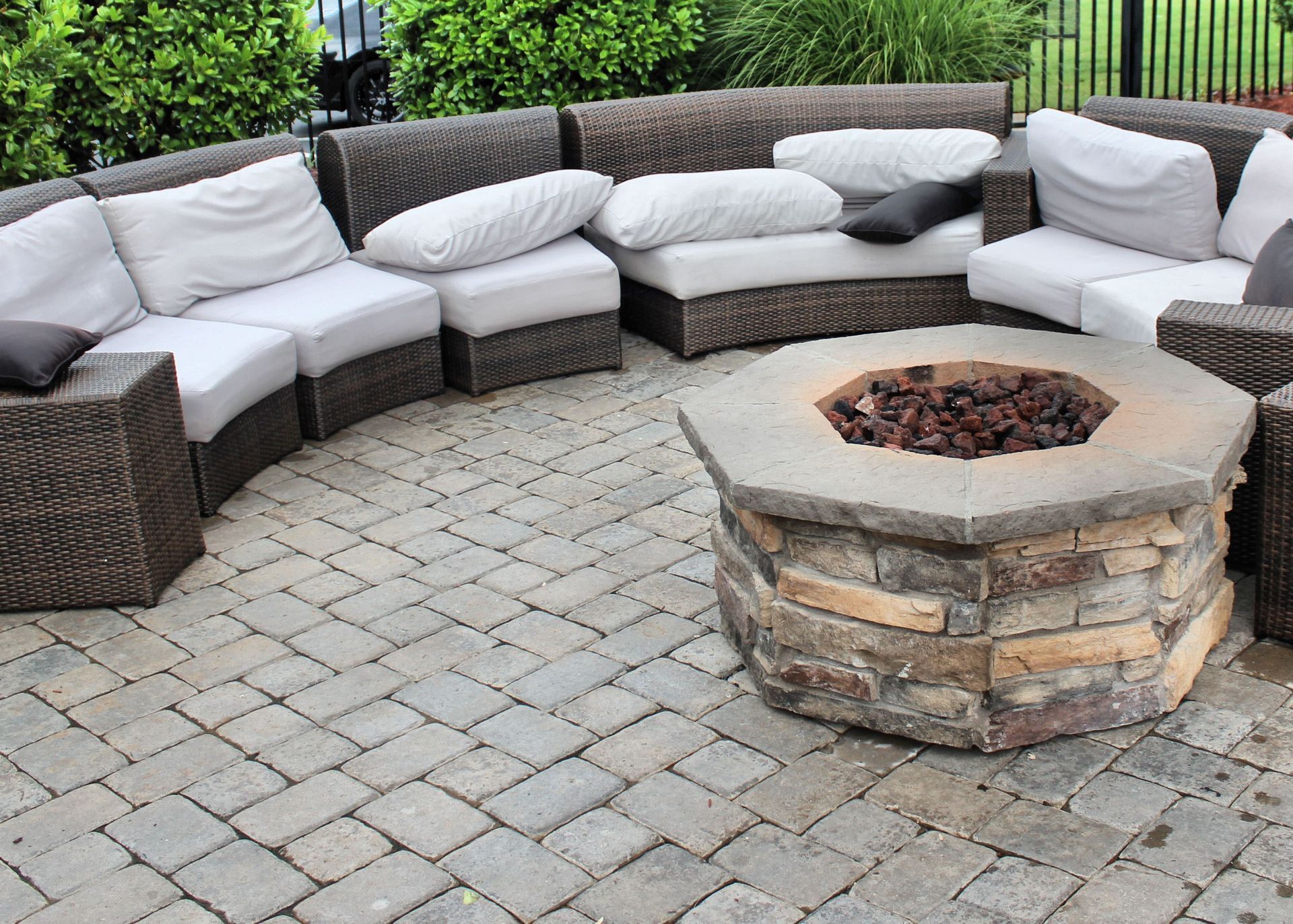
Outdoor spaces are increasingly designed like interior rooms, defined by purpose and functionality. Many homeowners now want designated areas for dining, relaxing, cooking, or entertaining. Hardscaping plays a crucial role in organizing these outdoor “zones.” For example, a paved patio may function as the primary gathering space, while pathways connect it to a fire pit, outdoor kitchen, or seating nook. Low retaining walls often double as extra seating, offering practical solutions without adding clutter.
This emphasis on functionality extends to customizing features to match a homeowner’s lifestyle. People with young children may incorporate wider walkways, built-in benches, or smooth surfaces. Individuals who enjoy cooking outdoors may prioritize durable countertops, weather-resistant flooring, and storage built into their hardscaping design. According to This Old House, 63% of homeowners said they would make investing in an outdoor living space a priority if they chose to remodel. The desire for versatile, enjoyable outdoor environments is driving this surge in multi-purpose layouts.
The result is an outdoor environment that works year-round rather than being limited to seasonal use. Structures such as pergolas, covered patios, and stone fireplaces extend usability and provide shelter from sun, wind, or rain. As homeowners continue to seek balance between work, leisure, and relaxation, flexible outdoor zones support daily living in meaningful ways.
Prioritizing Sustainability and Environmentally Conscious Design
Sustainability has become more than a buzzword; it is now a guiding principle in outdoor development. Designers are increasingly focusing on drainage solutions, eco-friendly materials, and responsible installation methods. Permeable pavers, for example, allow rainwater to seep through and return to the soil, reducing runoff and erosion. Incorporating these into hardscaping minimizes strain on municipal drainage systems while maintaining attractive walkways and driveways.
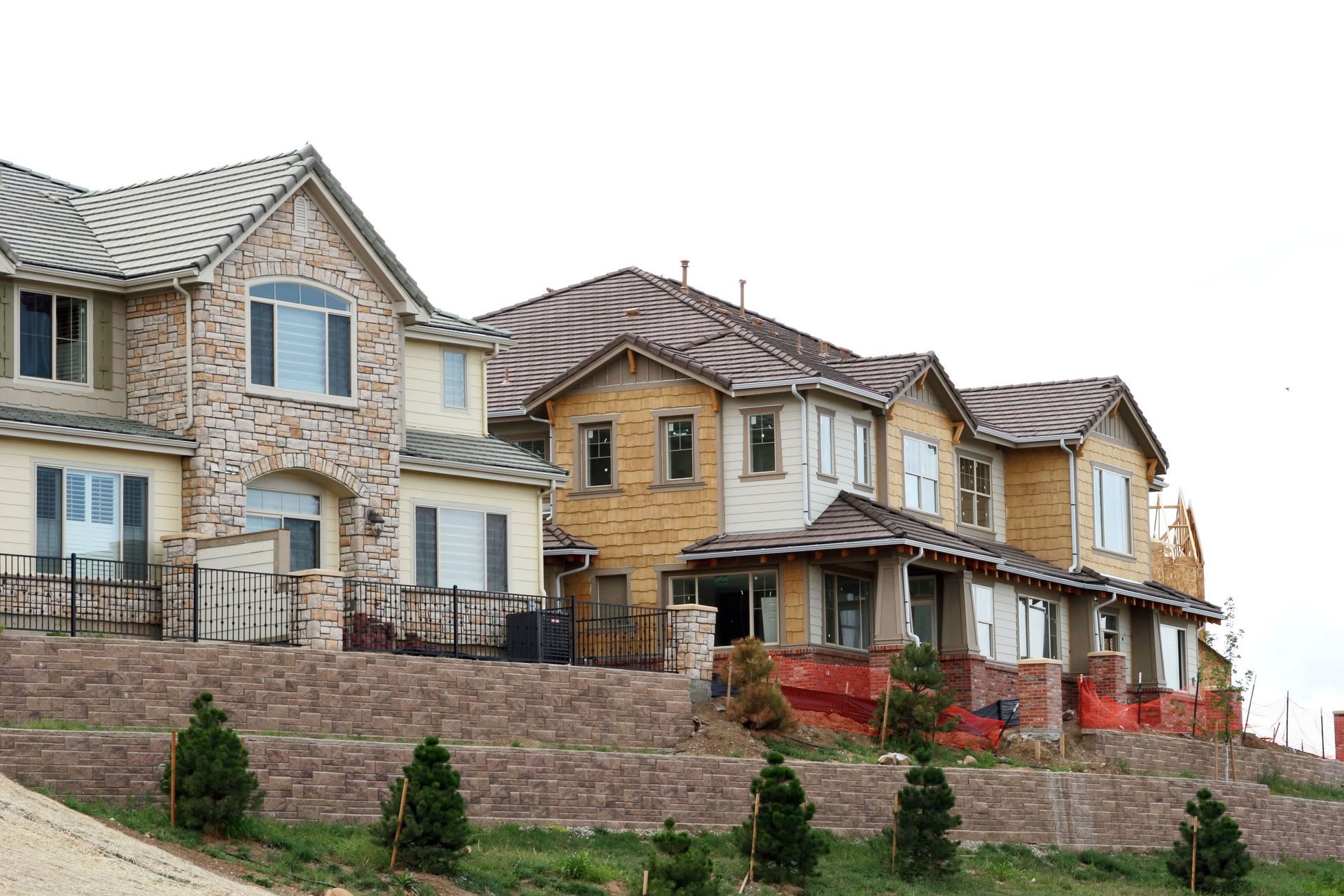
Recycled or locally sourced materials are also gaining popularity. Reclaimed stone, composite decking, and recycled concrete can reduce environmental impact while providing long-lasting performance. Furthermore, environmentally conscious planning considers how each structure affects the broader ecosystem. Strategically placed retaining walls help stabilize slopes, preventing soil loss and protecting plantings. Proper grading ensures water flows away from the home but remains available for gardens or native plant beds.
Sustainable hardscaping is not only an environmental decision but also a practical one. Materials selected for durability require less frequent replacement, which lowers long-term costs. Thoughtful planning also reduces maintenance demands, encouraging people to enjoy their space rather than constantly caring for it. The combination of ecological awareness and functional resilience has made sustainability one of the defining characteristics of modern outdoor design.
Enhancing Outdoor Comfort With Built-In Features
Comfort-oriented amenities are transforming outdoor areas from simple yards into fully realized living environments. Built-in seating, stone fire pits, outdoor bars, and kitchen islands are increasingly common elements in hardscaping design. These additions eliminate the need for temporary furniture and create cohesive, intentional layouts. For instance, a stone bench built into a retaining wall saves space and adds visual interest, while a permanently installed grill area improves convenience and cooking efficiency.
Lighting is another important feature enhancing outdoor usability. Strategically placed pathway lights, wall-mounted fixtures, and recessed patio lighting improve safety while creating ambiance. Subtle illumination allows homeowners to enjoy outdoor spaces long after sunset and emphasizes architectural details. Combining lighting with hardscaping ensures the environment remains practical and aesthetically pleasing.
Water features are also becoming desirable comfort elements. Whether in the form of fountains, small ponds, or narrow waterfalls integrated into walls, they introduce movement and soothing sound. These features elevate the sensory experience while blending seamlessly into surrounding structures. By prioritizing comfort through permanent design elements, homeowners transform their outdoor spaces into destinations rather than mere backyards.
Embracing Minimalist Layouts and Simplified Maintenance
Minimalist design principles—clean lines, neutral tones, and uncluttered spaces—are strongly influencing outdoor aesthetics. Many homeowners are moving away from overly intricate patterns or heavy ornamentation. Instead, they choose straightforward layouts that feel modern, balanced, and visually restful. Hardscaping supports this minimalist trend by offering strong geometric shapes, uniform surfaces, and organized frameworks.
A major advantage of minimalist hardscaping is the reduction in maintenance. Fewer small lawn areas and simplified plantings mean less mowing, edging, and watering. Surfaces like stone patios or gravel pathways typically need only occasional sweeping or rinsing. For homeowners with busy schedules, this balance of beauty and practicality is particularly appealing.
Durability is another important benefit. When materials are selected for resilience, they withstand weather, foot traffic, and seasonal changes. This reliability reinforces the idea of outdoor spaces as investments rather than decorative afterthoughts. Minimalist design, therefore, helps achieve both aesthetic refinement and long-term value.
Extending Indoor Style Into Outdoor Settings
A growing trend in modern design involves creating seamless transitions between indoor and outdoor spaces. Instead of treating the yard as a separate environment, homeowners often mirror interior styles outside. Consistent color palettes, similar flooring textures, and complementary furniture selections contribute to a unified appearance. Sliding glass doors, large windows, and covered patios reinforce this connection by visually and physically blending the two spaces.
Hardscaping is essential in establishing this continuity. Large-format pavers, uniform stone surfaces, and coordinated wall materials help maintain design coherence. Outdoor living areas increasingly resemble interior rooms, featuring defined seating areas, decorative accents, and integrated storage. This coordinated approach makes stepping outside feel natural and comfortable, reinforcing the idea that the yard is part of the home’s usable living space.
Beyond aesthetics, this design strategy also supports emotional wellness. When indoor and outdoor spaces flow together, homeowners experience a greater sense of openness and relaxation. The environment feels expansive yet cohesive, encouraging people to spend more time outside without sacrificing comfort or convenience. Call JJ's Outdoor today to discuss your next hardscaping project!