August 20, 2026
Managing steep slopes, preventing soil erosion, and maximizing usable outdoor space are among the most persistent challenges property owners face when designing a landscape. Soil displacement caused by heavy rain and wind can undermine lawn health, damage foundational structures, and ruin meticulously planned garden beds. A well-constructed retaining wall serves as a permanent architectural shield against these natural forces. Beyond their obvious physical utility, these hardscaping structures transform uneven or virtually unusable slopes into elegant, functional, and organized outdoor living environments.
Investing in these vertical structures offers long-term rewards for both residential and commercial properties. Beyond holding back massive volumes of earth, they define garden spaces, establish designated seating zones, and add dramatic visual depth to flat or sloping terrain. Importantly, retaining walls are an investment towards increasing a home's value. According to LawnStarter, such installations can boost a property's value by up to 15% and might also facilitate quicker sales. This is due to the enhanced outdoor aesthetics and improved functionality of the property.
Understanding Structural Mechanics
Engineered earth-retention systems rely on precise physics to hold back thousands of pounds of soil, moisture, and rock. A successful wall must effectively counteract lateral earth pressure, which is the force exerted by soil pushing horizontally against the structure. When ground soil becomes saturated with rainwater, its weight and density increase exponentially, exerting immense force on anything in its path. Professional construction takes into account all these environmental variables, ensuring the foundation base is deeply anchored, correctly pitched inward, and backed by suitable aggregate materials to safely absorb and redistribute soil pressure without shifting, settling, or leaning over time.
Hydrostatic pressure poses another massive threat to structural longevity if water accumulates behind the installation without a dedicated exit strategy. Proper construction incorporates integrated drainage systems, including perforated drain tile pipes, aggregate gravel backfill, and strategically placed weep holes. These essential elements direct subsurface water far away from the structure, relieving hydrostatic weight before it can cause bowing, bulging, or cracking. Thorough soil compaction behind the wall during construction is equally critical to prevent unaligned settling and future ground displacement under heavy surface loads.
Managing Environmental Soil Displacement
Soil erosion slowly strips away topsoil, leaving unsightly gullies, exposing sensitive plant root systems, and risking severe foundation damage during heavy downpours. Sloped landscapes are particularly vulnerable because uncontained rainwater quickly gathers speed, sweeping away vital soil layers and organic nutrients. Installing professional grade walls creates a physical barrier that interrupts this down-slope water acceleration. By capturing and stabilizing the ground, these hardscaping structures prevent dangerous washouts, protect property boundaries, and ensure that valuable topsoil remains firmly in place despite severe local weather events. A well-planned installation preserves overall terrain stability across all seasons.
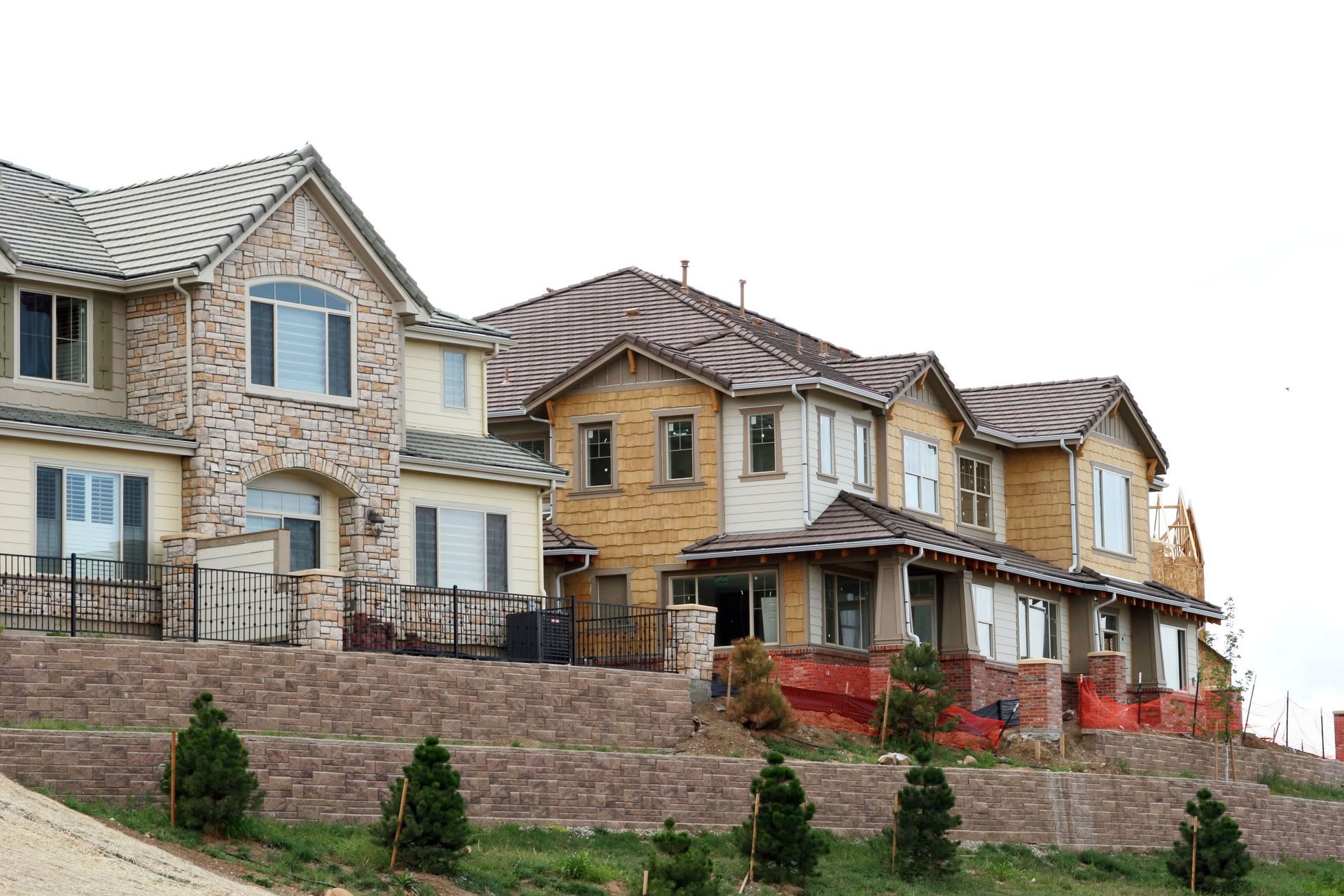
These retention installations also enable effective terracing, which breaks steep, erosion-prone hills into a series of manageable, level platforms. Terracing slows down the movement of surface water, allowing moisture to soak gradually into the ground rather than rushing wildly over the surface. This controlled absorption prevents topsoil depletion and creates optimal planting beds where trees, shrubs, and deep-root perennials can thrive. The combined action of structural barriers and active root networks creates a comprehensive, long-term system for controlling erosion across demanding residential topographies. Implementing these solutions transforms vulnerable hillsides into secure environments.
Enhancing Property Curb Appeal
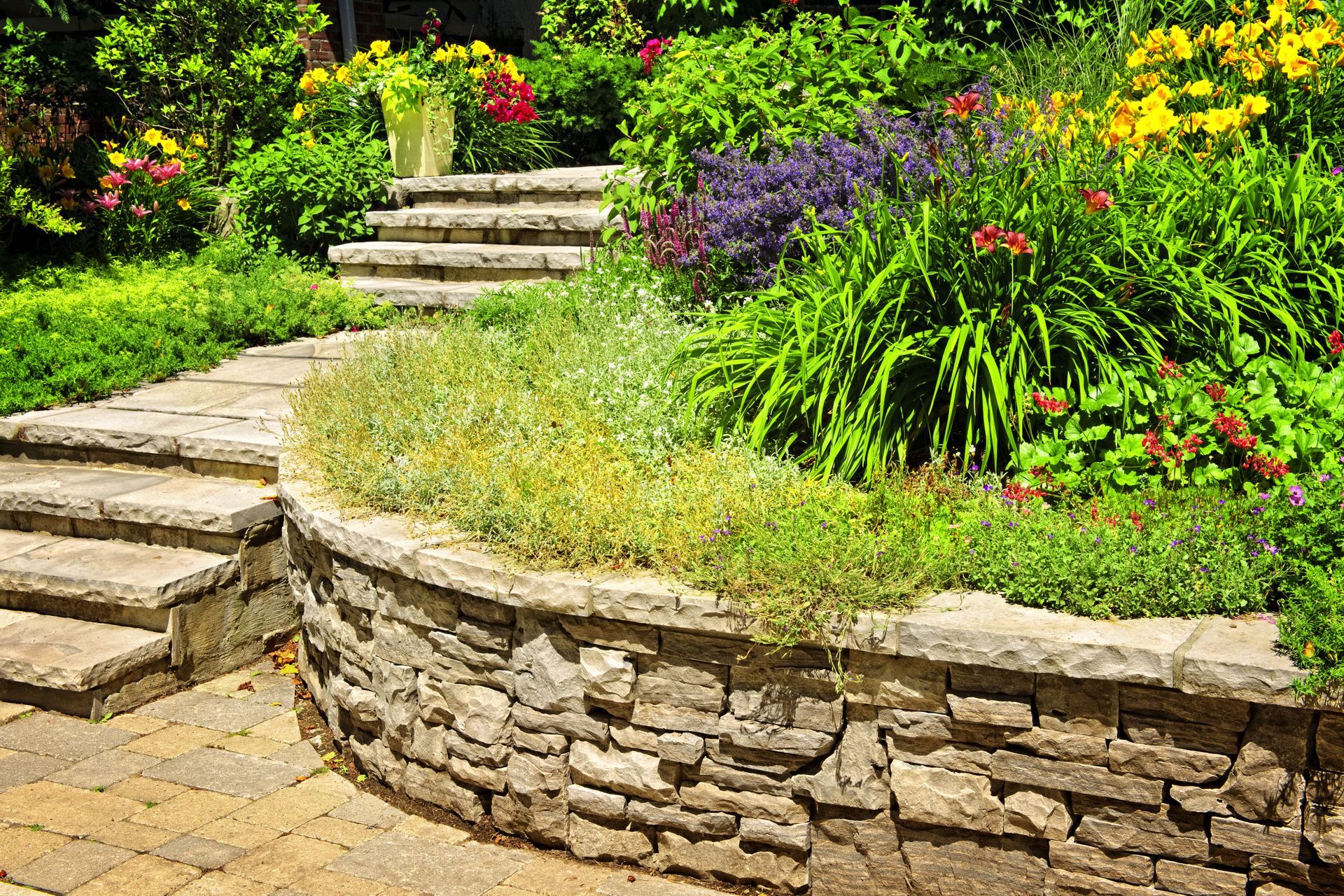
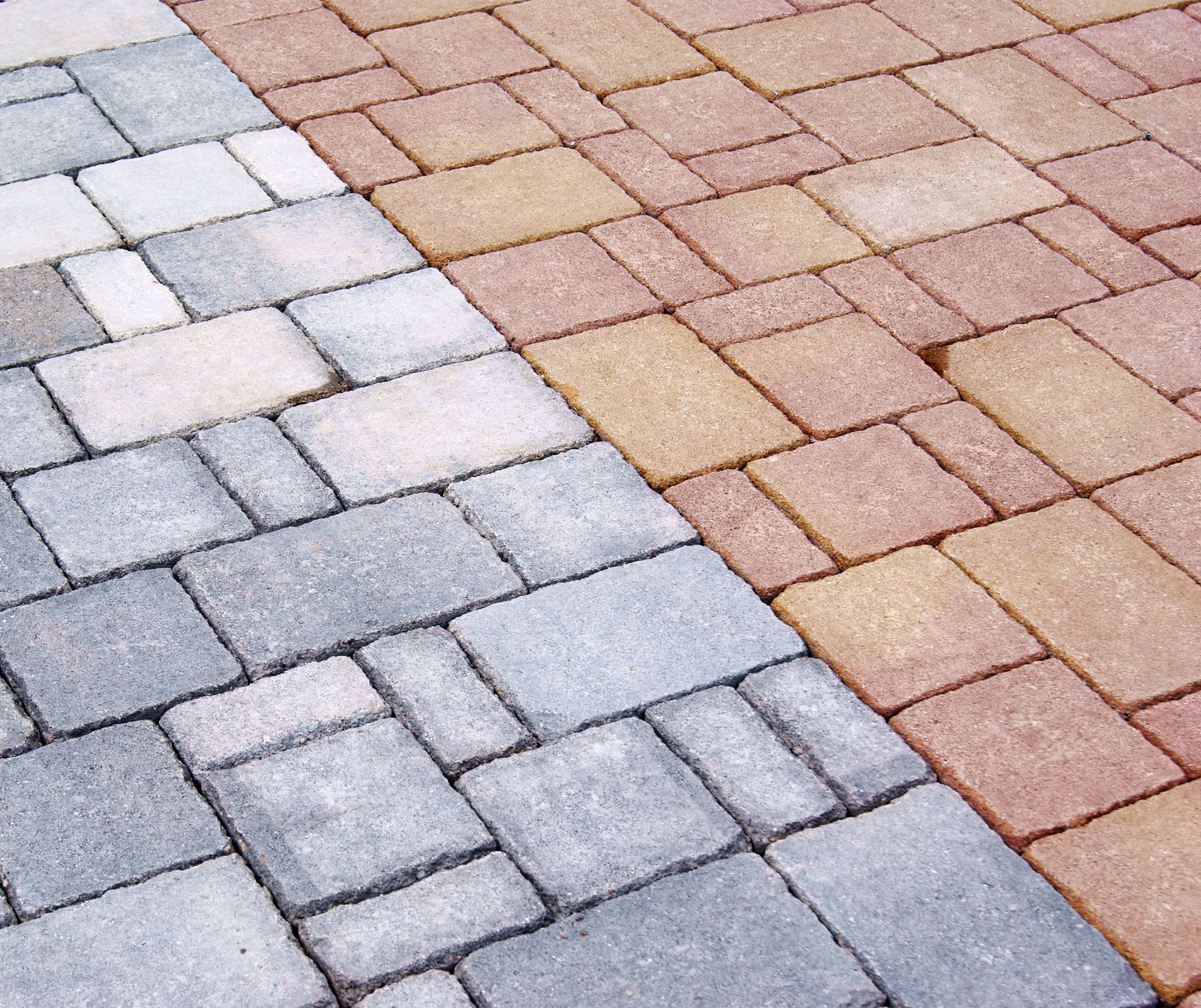
A multi-tiered landscape features an inherent visual charm that simple flat yards cannot match. Structural wall systems add rich geometric dimension, structural texture, and crisp architectural lines to any outdoor setting. Whether crafted from weathered natural fieldstone, smooth architectural blocks, or classic unit pavers, these structures turn awkward, sloping grounds into polished, visually captivating environments. By selecting raw materials that complement the surrounding architecture, homeowners create a cohesive look that seamlessly blends structural utility with custom outdoor aesthetic design. This artistic balance elevates the overall aesthetic profile of the entire estate.
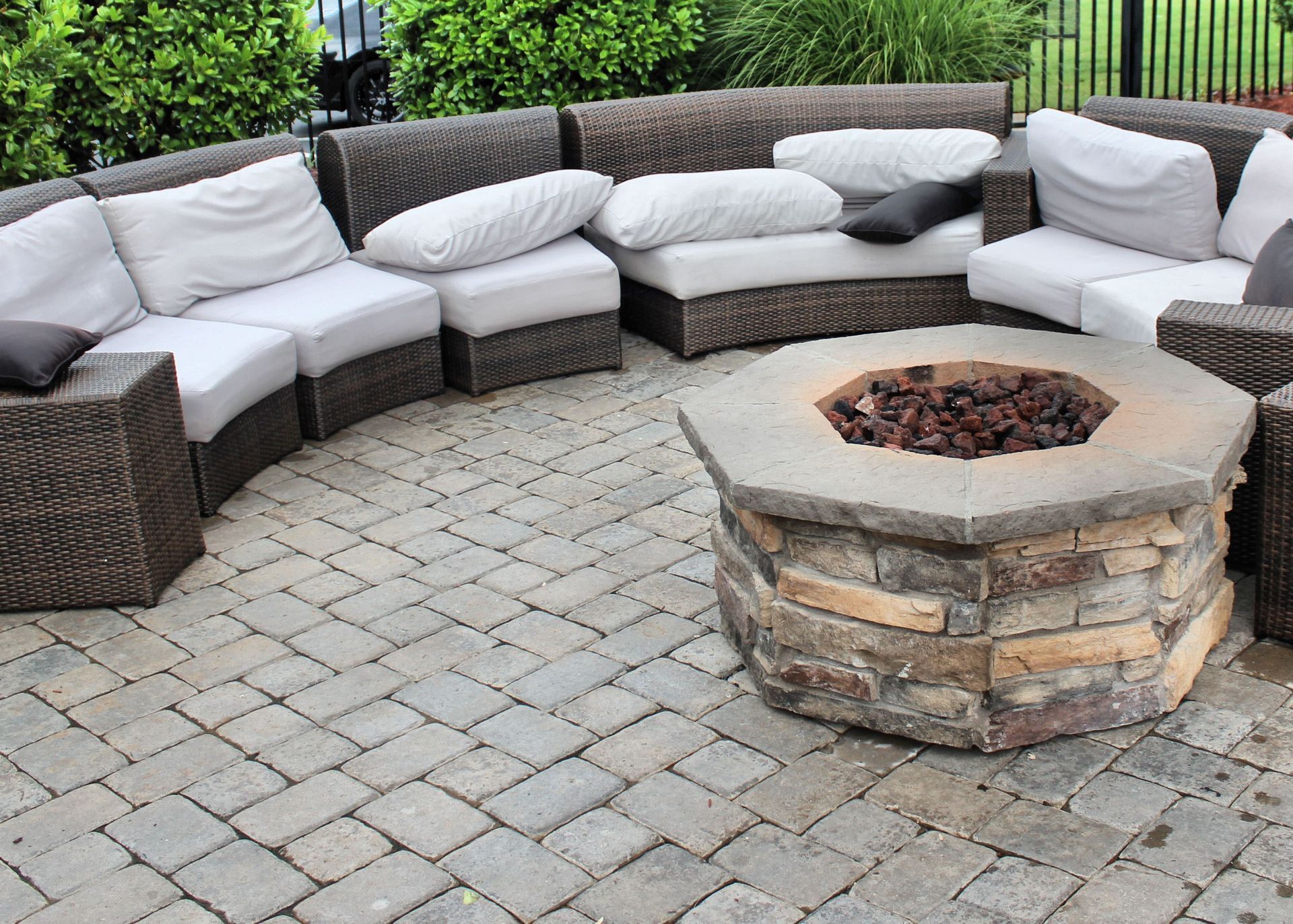
Beyond visual appeal, these systems unlock incredible landscape utility by converting hilly terrain into versatile, highly usable living spaces. Slopes that were once difficult to mow or utilize can be transformed into multi-level garden beds, fire pit lounges, or expanded patio sections. Built-in elements like integrated stone benches, ambient accent lighting, or descending stairways further enhance both day-to-day functionality and overall charm. This seamless blend of form and function maximizes outdoor square footage, turning challenging topography into a standout outdoor highlight. Expanding usable square footage dramatically changes how homeowners enjoy their yards.
Selecting Professional Construction Materials
Selecting the right building materials for hardscaping is vital to ensuring both structural integrity and long-term aesthetic harmony with your home. High-density poured concrete and modular interlocking concrete blocks are widely favored for their immense durability, uniform fit, and resilience against harsh freeze-thaw weather cycles. Natural stone, such as granite, limestone, or sandstone, provides an organic finish that ages gracefully over decades while blending naturally into regional surroundings. Each material carries unique weight-bearing capabilities, physical characteristics, and specialized installation requirements that must be carefully evaluated based on site conditions. Evaluating long-term material longevity guarantees the structure remains sound for decades.
The existing site environment heavily dictates which material will perform best over time. Factors such as soil stability, regional freezing and thawing patterns, slope gradient, and subsurface drainage demands must drive material selection. Timber materials, while traditional, remain highly susceptible to moisture rot, insect infestation, and rapid degradation compared to masonry units. Working with certified landscape architects ensures chosen materials match the specific load requirements of the site while avoiding materials prone to premature structural failure under intense pressure. Prioritizing durable masonry choices eliminates early structural breakdown risks.
Partnering With Expert Contractors
Constructing a durable, long-lasting wall demands precise engineering, specialized heavy equipment, and a deep understanding of local soil conditions. Attempting such complex masonry or hardscaping without expert technical knowledge often leads to early structural failure, wall tipping, or catastrophic collapse under heavy rain conditions. Professional contractors execute thorough site surveys, analyze soil bearing capacities, calculate precise slope angles, and secure all necessary municipal building permits. Their expertise ensures the final structure complies fully with localized building codes and strict safety regulations. Hiring an experienced team eliminates costly construction mistakes right from the start.
Working with an established team like [NOB] delivers complete peace of mind and guarantees high-caliber craftsmanship from initial site excavation to final cleanup. Expert installers utilize specialized machinery to clear the area, dig deep trench foundations, lay dense base aggregate, and systematically stack each course with millimeter accuracy. They also incorporate comprehensive subsurface drainage channels to safeguard your property against hidden water damage. Partnering with seasoned professionals secures your financial investment and guarantees an enduring, beautifully crafted addition to your home. Dedicated craftsmanship ultimately guarantees a seamless transition from initial concept to completed installation.
An expertly crafted retaining wall is far more than a practical solution for sloped ground; it is an enduring investment that transforms unstable terrain into a functional, elevated outdoor environment. By mitigating soil displacement, controlling surface runoff, and creating multi-tiered usable areas, these structures offer crucial protective benefits while dramatically enhancing total property value. When built with high-quality materials and precise engineering standards, a well-placed wall delivers lasting performance, structural protection, and aesthetic beauty for many decades to come.
If you are ready to stabilize your property, stop soil runoff, and maximize your outdoor space with a custom engineered installation and
hardscaping services, contact JJ's Outdoor today. Our team of experienced landscape design and construction professionals will evaluate your property's unique slope challenges, recommend optimal material selections, and build a lasting structure tailored to your lifestyle. Reach out now to schedule your initial design consultation and take the first step toward transforming your yard.